
Is Hiring an Interior Designer Worth It? The Real Cost of Going It Alone
It's one of the most common questions I hear from prospective clients: “Can't I just manage this myself and save the design fee?”
It's a reasonable question, and it deserves an honest answer rather than a sales pitch. For smaller, contained updates, a fresh coat of paint, new cabinet hardware, you may not need a designer. But for a kitchen renovation, a bathroom remodel, or a broader reimagining of how your home supports your family's life, the calculation almost always favors bringing in professional guidance. Not because designers work magic, but because the mistakes homeowners make without one are costly, and they follow patterns I've learned to recognize.
At Nu Interiors, I believe designing a home is about more than selecting finishes. It's where empathy meets intention, and the result should be spaces with soul, not just spaces that photograph well. That philosophy is exactly why I want to walk you through the three places I most often see money and time disappear on unmanaged projects, and why a designer's fee tends to be one of the smallest costs in a renovation, not the largest.
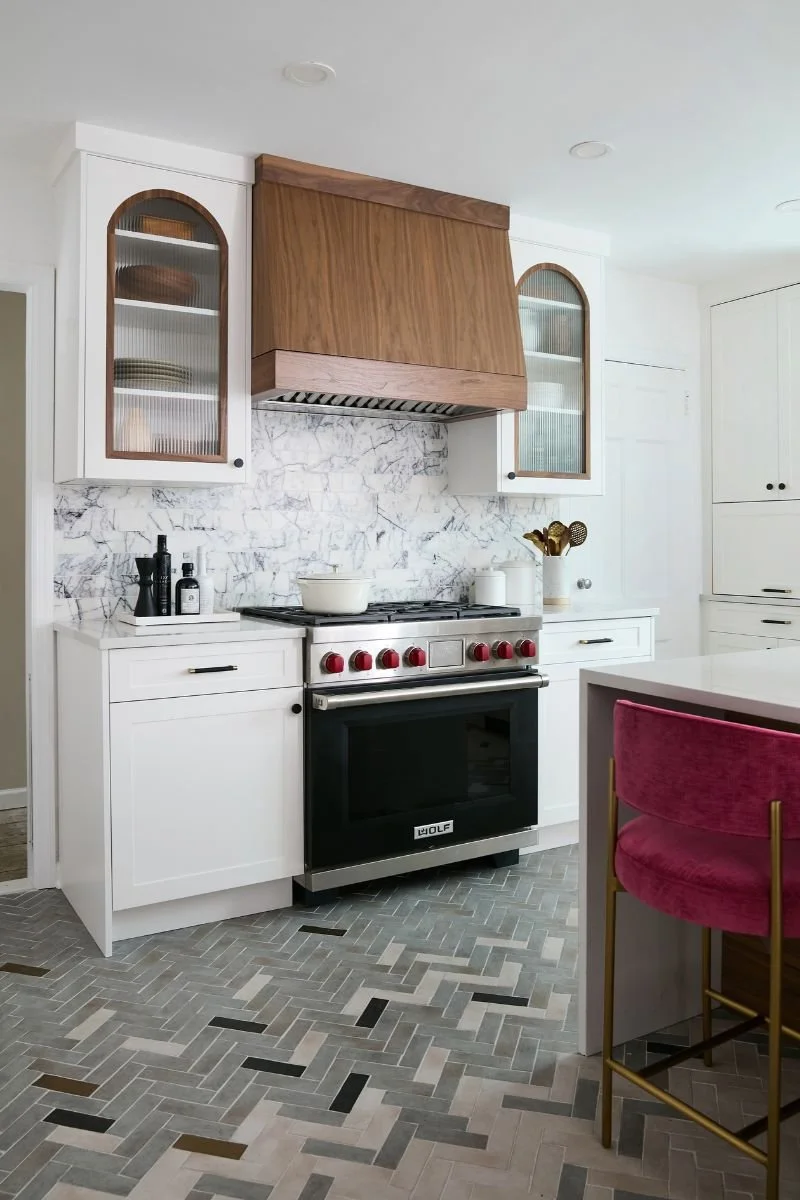
1. The Cost of Not Having a Designer On Site
Here is what tends to happen on unmanaged projects: a homeowner hires a skilled contractor, that contractor builds exactly what is specified, and everyone assumes the finer details will resolve themselves along the way.
They rarely do.
Without someone dedicated to the design intent, not the framing or the plumbing lines, but how the finished space will ultimately look, feel, and function, small decisions get made in isolation. An electrician places outlets where the wiring is easiest to run, not where a lamp will actually sit. A tile setter begins a pattern without knowing where the transition should land relative to sightlines at the vanity. A contractor, following instructions to the letter, installs a beautiful window that ends up twelve inches off-center from where the room truly needed it.
None of this reflects poorly on the trades involved. It is simply what happens when no one is holding the full picture, because a contractor's role is to build what is specified, not to catch what was never specified in the first place.
This is precisely where a designer's presence matters most. Being on-site, or closely reviewing plans throughout, means catching these details before they are built, not after. A rerouted outlet is a five-minute conversation before rough electrical is installed. After drywall goes up, it becomes a change order, a delay, and a patch that never quite disappears. I have seen homeowners spend more correcting a handful of these misalignments after the fact than a designer's full fee would have cost from the outset.
2. The Cost of Planning One Room Instead of Your Whole Home
This is the mistake that most often catches homeowners off guard, because in the moment, it does not feel like a mistake at all. It feels prudent, “let's tackle the kitchen this year, and perhaps the primary bath next year.”
The difficulty is that a home functions as a system, not a collection of independent rooms. A kitchen's flooring choice affects the transition into the adjoining dining room. A lighting plan for the kitchen island should anticipate how the adjacent family room will eventually be lit. The plumbing and electrical work already underway behind an open wall is the most cost-effective opportunity to also rough in what next year's bathroom will require, and once that wall is closed, the opportunity closes with it.
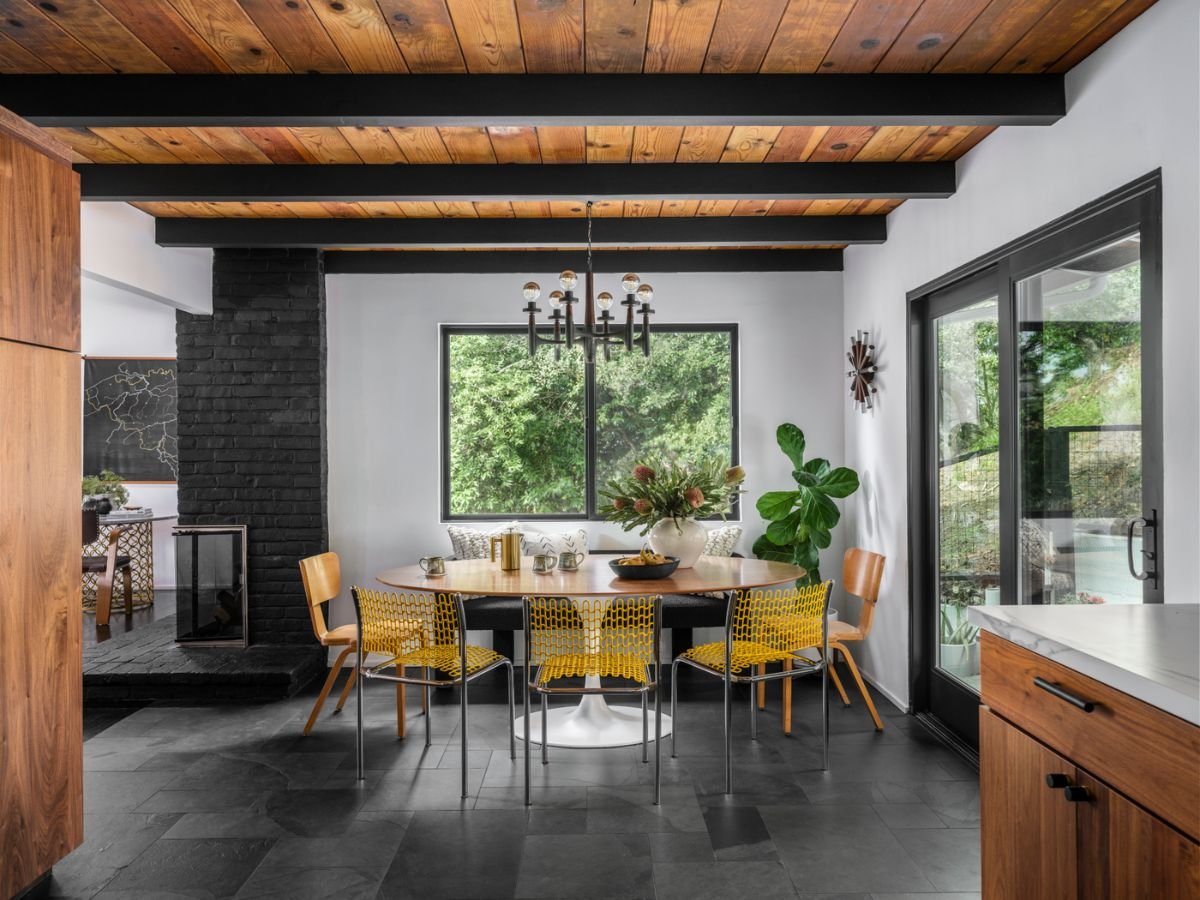
When a whole-home vision is not established before the first phase begins, homeowners are left with two costly outcomes: redoing work they have already paid for or living with a beautifully renovated kitchen that makes the adjoining spaces feel suddenly dated and disconnected. One costs money outright. The other costs you the daily experience of a home that never quite feels resolved.
A foundational part of my process, from our very first conversation, is understanding where you want your entire home to go, including the phases that are years away, so that today's decisions are built to support tomorrow's rather than work against them. This is not scope creep. It is the difference between a renovation and a genuine plan for the home you are building toward.
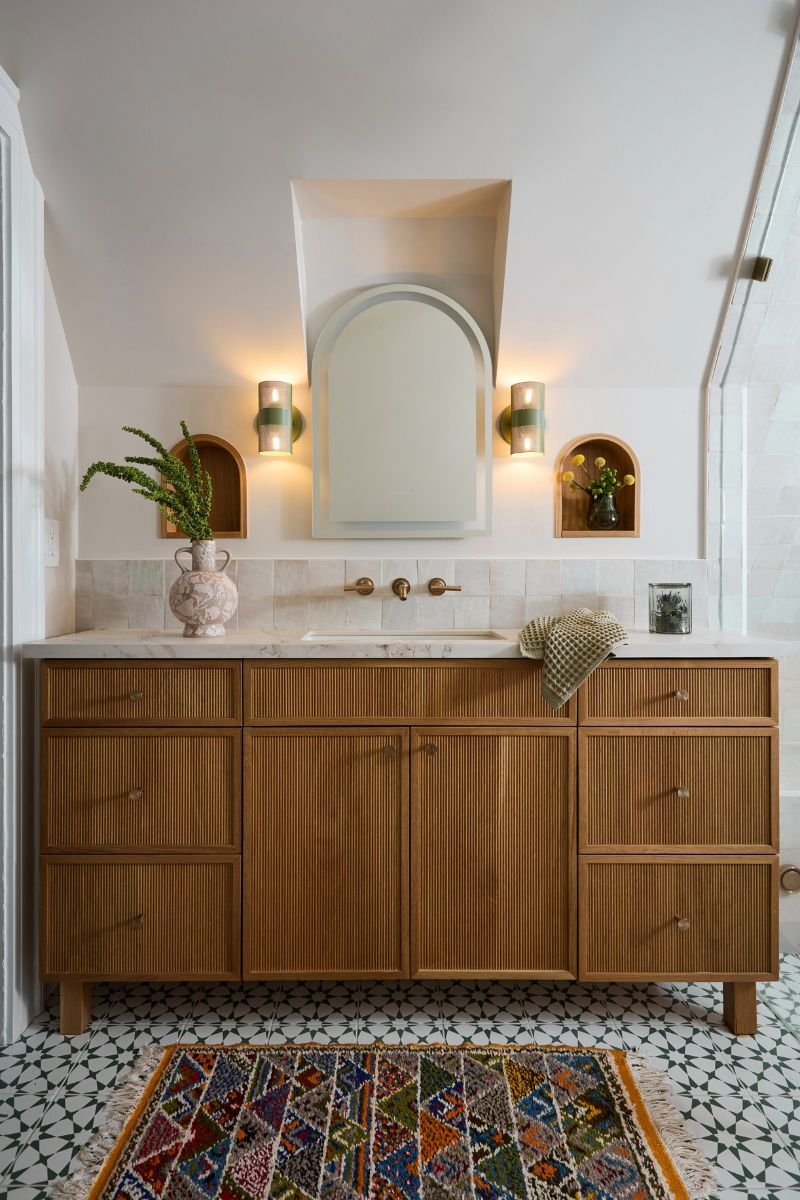
3. The Cost of Skipping Interior Design Project Management
This is the quiet one, and it is often the most exhausting for homeowners to live through. This is what interior design project management actually means, day to day, not a line item on a proposal.
Managing a renovation is not a single skill, it is dozens of smaller ones: sequencing trades so a plumber is not idle waiting on a tile setter who is waiting on a special-order slab; knowing which decisions carry long lead times and must be locked in months ahead of installation; fielding the daily questions that arise on-site and answering them in a way that is genuinely consistent with the design intent, rather than whatever seems most convenient in the moment.
Without that structure, homeowners find themselves managing their contractor from their phone during work hours, making rushed decisions under pressure, and absorbing the cost of delays that ripple outward when one trade sits idle waiting on another. A missed product that was always on order but you weren't there to manage finding it can push a project back by weeks. A miscommunication about sequencing or a missed item on the plan can mean paying to redo work that was installed out of order or not discussed at all.
This is the part of the work that rarely shows up in a beautiful photograph, but it is where I believe a designer delivers the most value, dollar for dollar. My process is built around transparency and clarity at every stage, a clear scope, a clear calendar, and clear communication with every partner involved, so that surprises are rare, and the expensive kind are rarer still.
So, Is It Worth It?
Consider the sum of it: misaligned details built before anyone catches them, redone work from planning one room in isolation, and the delays and rushed decisions that follow when skilled trades are managed without a clear process. None of these appear as a single line item on an invoice. They surface quietly, as weeks added to a timeline and dollars added to a budget along the way.
So I will ask you the same questions I ask myself before taking on a project:
Is your time valuable to you?
Is your home more than an investment, is it a meaningful part of your family's happiness and stability?
Do you have the time and the appetite to absorb the cost of the wrong choices?
If your answers are yes, yes, and no, then hiring a designer is not an added expense. It is what protects the rest of your budget from disappearing into mistakes you never saw coming, and what allows your home to become the space with soul it was always meant to be.
If you are weighing whether a designer makes sense for your project, I would welcome the opportunity to talk through where you are and what you are hoping your home can become, reach out here.
Frequently Asked Questions
Do I need an interior designer?
For smaller, contained updates, a fresh coat of paint, new cabinet hardware, you may not need one. But for a kitchen renovation, a bathroom remodel, or a broader reimagining of your home, the calculation almost always favors bringing in professional guidance.
What are the real benefits of hiring an interior designer?
First, catching misaligned details on-site before they are built; second, creating a cohesive, whole-home plan rather than making piecemeal decisions; and third, providing clear project management so you don't have to manage trades from your phone.